




 Menu
Menu


The Rise Of Retail Media Networks: How Marketplaces Are Becoming Advertising Powerhouses
The retail industry is witnessing one of the most profound shifts in its revenue model.…

Retail has moved beyond the debate of channels. The conversation is no longer about where your customer discovers you – whether online or in-store. It is about how seamlessly that discovery translates into revenue across the entire ecosystem. What once existed as two separate worlds (D2C and Retail) has now evolved into a single, continuous journey where the customer does not see channels, but experiences the brand as one.
This is the foundation of a Unified O2O Commerce System. And yet, most retail brands are still not built for it.
However, retail brands continue to operate in silos. Digital teams are focused on driving traffic and engagement. Organic channels are building visibility and recall. Store teams are responsible for conversion and experience. Individually, each function delivers. Thus, collectively, the system lacks cohesion. Everything is working, but not together. And that is where the real problem begins.
This disconnect is most visible in how brands approach Click-to-Store. At a surface level, it is often seen as a combination of paid and organic activities designed to drive store visits. But that interpretation misses the real shift. Click-to-Store is not a campaign layer that can be activated in isolation. It is a critical component of a larger system – one that connects digital intent with physical outcomes.
In a Unified O2O Commerce System, every element plays a defined role in shaping the customer journey. Paid channels create intent. Organic ecosystems sustain engagement. Stores deliver experience and conversion. Data connects it all. When these elements operate independently, their impact remains fragmented. But when they are aligned, they create a continuous flow from discovery to conversion to retention – a system that drives measurable revenue, not just activity.
To understand this shift, it is important to decode how each of these components works, and more importantly, how they come together to build a unified system that enables true commerce growth.
Retail brands today are investing heavily in digital ecosystems. Campaigns are becoming more sophisticated, targeting is sharper, and discovery is happening at scale. From performance marketing to influencer-led activation, eRetail brands are doing everything right in terms of visibility. Yet, when it comes to measurable business outcomes such as store revenue, footfall quality, and conversion, the impact remains inconsistent.
The reason lies in how O2O is approached. Most brands still treat it as a campaign layer, something that can be activated periodically to drive store visits. It is seen as an extension of marketing, rather than a core business system. This approach limits its potential. Because O2O is not about running campaigns. It is about building a system that ensures every digital interaction contributes to a real-world outcome.
If we look closely, visibility is no longer a challenge for most brands. Consumers are discovering products through multiple digital touchpoints. They are engaging with content, exploring options, and building intent. However, the real gap lies in what happens next. How does that intent move through the system? How does it translate into a store visit? And more importantly, how does it convert into revenue?
This is where most strategies fall short. Retail brands focus on driving traffic, but not on ensuring that traffic is qualified. They focus on store visits, but not on optimizing the in-store experience. They focus on impressions, but not on outcomes. As a result, the journey remains fragmented. The customer moves across touchpoints, but the system does not support a seamless transition.
To address this challenge, retail brands need to shift their perspective. The traditional approach of optimizing channels in isolation is no longer sufficient. Instead, the focus needs to move toward building systems that align intent, experience, and data. This shift is not just strategic, but structural. It requires rethinking how different parts of the business interact with each other.
In the earlier model, success was measured by channel-specific metrics such as clicks, impressions, or conversion rates. In the O2O commerce model, success is defined by outcomes such as revenue per visit, customer lifetime value, and overall system efficiency. This requires a unified approach where every touchpoint is designed to contribute to the same goal. Growth is no longer channel-driven. It is system-driven.
The Click-to-Store framework represents how this system operates in practice. It is not a representation of channels, but of how different components work together to drive a single outcome: Revenue. It highlights the interplay between paid and organic ecosystems, and how they contribute to the overall journey.
On one side, paid channels are responsible for generating intent at scale. These efforts ensure that the brand reaches the consumer at the right moment, with the right message. However, intent alone is not sufficient. This is where organic systems come into play. Organic efforts ensure that the journey does not end at discovery. They provide continuity, build trust, and enable long-term engagement. Together, these two layers form a system that is capable of driving meaningful outcomes.
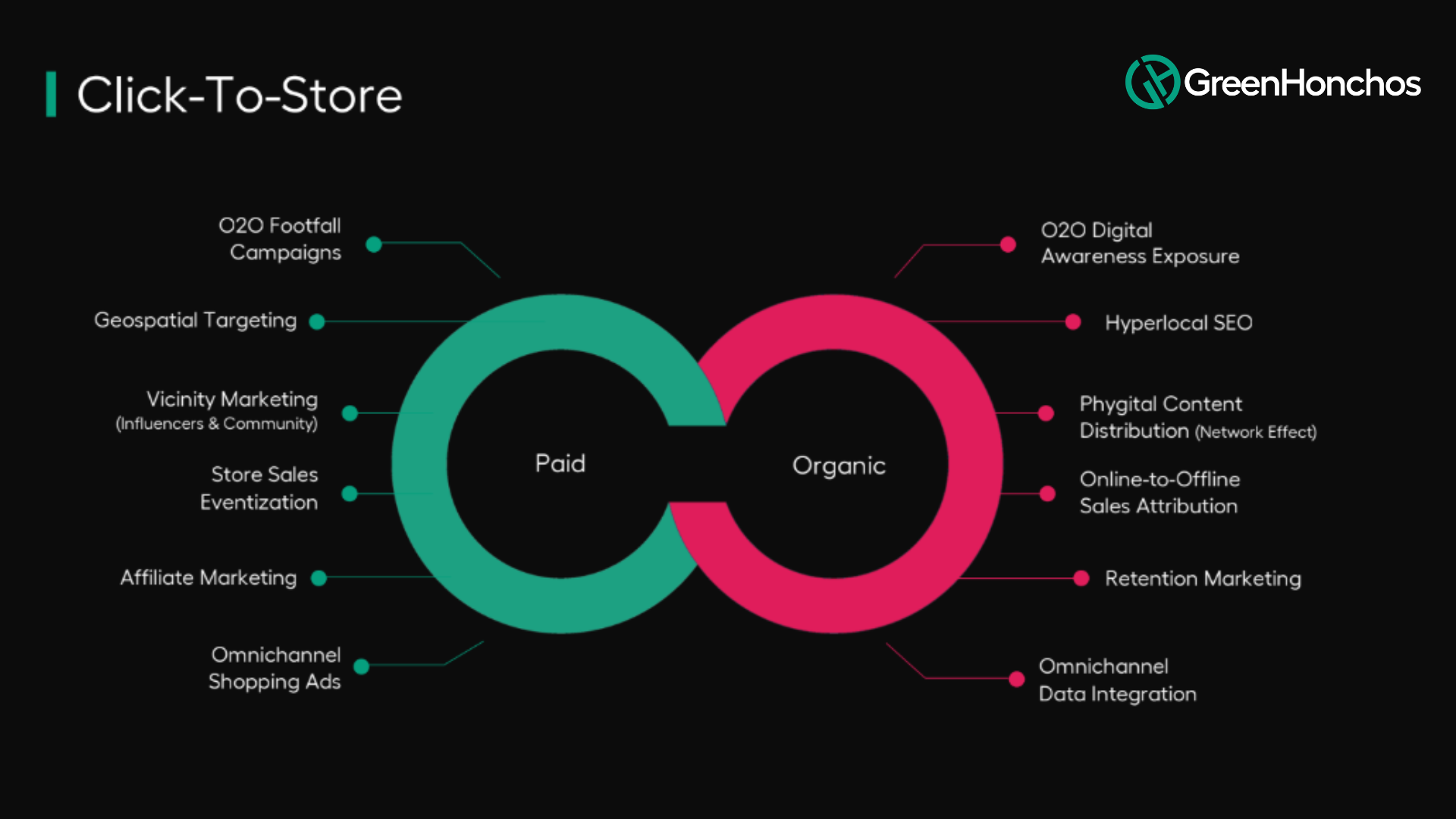
The paid side of the digital commerce system is designed to generate immediate visibility and influence demand at a localized level with the help of an eCommerce agencyor partner. It ensures that the brand is present at the right moment, within the right context, and in proximity to the consumer’s decision-making journey.
O2O footfall campaigns are built specifically to drive store visits rather than just clicks. Unlike traditional performance campaigns that optimize for digital actions, these campaigns are structured around physical outcomes. They leverage location data, behavioral signals, and proximity triggers to influence consumers who are most likely to visit a store.
However, their effectiveness depends on how well they are integrated with the broader system. If these campaigns drive traffic without aligning with store readiness or in-store experience, the conversion opportunity is lost.
Geospatial targeting allows brands to focus their efforts on high-intent zones. Instead of broadcasting messages broadly, brands can engage audiences based on location-specific signals such as proximity to stores, movement patterns, and regional demand trends.
This creates efficiency in media spend and ensures that campaigns are relevant. But again, targeting alone does not drive outcomes. It needs to be aligned with messaging, availability, and experience to translate into revenue.
Vicinity marketing introduces a layer of trust and relatability into the system. By leveraging local influencers, communities, and micro-networks, brands can create a stronger emotional connection with the audience.
This is particularly powerful in driving store visits, as consumers are more likely to engage with recommendations that feel localized and authentic. However, without integration into the broader journey, this influence remains disconnected from measurable outcomes.
Store sales eventization focuses on creating urgency and experience at the physical level. This includes in-store events, promotions, and activations designed to increase footfall and engagement.
These events work best when they are not treated as isolated initiatives but are supported by digital amplification. When integrated with paid and organic efforts, they create a loop where digital drives footfall and in-store experience reinforces engagement.
Affiliate marketing extends reach through third-party platforms and partners. It introduces additional touchpoints into the journey, allowing brands to tap into external audiences.
While it is effective in driving traffic, its real value comes from how well it is integrated into attribution systems. Without clear tracking, affiliate-driven visits remain disconnected from revenue insights.
Omnichannel shopping ads bridge the gap between online discovery and offline availability. They allow retail brands to showcase products with location-specific inventory, enabling consumers to make informed decisions before visiting a store.
This is a critical component in reducing friction. When consumers know that a product is available nearby, the likelihood of conversion increases significantly. But this requires accurate and real-time inventory integration.
While paid channels create momentum, the organic ecosystem ensures that the journey remains consistent, credible, and measurable. It builds the foundation for long-term engagement and repeat behavior.
Digital awareness exposure ensures that the brand remains visible across organic touchpoints such as search, social, and content platforms. This builds familiarity and recall, which are critical for influencing purchase decisions.
However, awareness alone is not sufficient. It needs to be aligned with intent and supported by relevant information that helps consumers move forward in their journey.
Hyperlocal SEO plays a crucial role in connecting digital discovery with physical locations. It ensures that when consumers search for products or services in a specific area, the brand appears with relevant store-level information.
This includes store listings, local keywords, reviews, and location-specific content. When optimized effectively, it becomes a powerful driver of store visits. But it requires continuous management and integration with real-time data.
Phygital content distribution refers to the seamless flow of content across digital and physical environments. It ensures that the messaging consumers see online is reflected in-store, creating a consistent experience.
This alignment strengthens trust and reduces friction. It also creates a network effect, where each touchpoint reinforces the others. Without this consistency, the journey feels fragmented, and the impact of content diminishes.
One of the biggest gaps in O2O strategies is the lack of attribution. Retail brands often struggle to connect digital interactions with offline purchases. This limits their ability to measure ROI and optimize campaigns.
Online-to-offline attribution addresses this by linking digital touchpoints with store-level transactions. It provides visibility into what is driving revenue and enables data-driven decision- making. Without it, the system remains incomplete.
Retention marketing ensures that the journey does not end with a purchase. It focuses on building long-term relationships with customers through personalized communication, loyalty programs, and post-purchase engagement.
In the context of O2O, retention is critical because it drives repeat store visits and increases customer lifetime value. It transforms one-time transactions into sustained growth.
At the core of the entire system is data integration. This is what connects paid and organic efforts, online and offline touchpoints, and discovery with conversion.
Omnichannel data integration enables a unified view of the customer journey. It ensures that insights are shared across systems, decisions are aligned, and performance is optimized continuously. Without data integration, every other component operates in isolation. With it, the system becomes intelligent and scalable.
To make O2O (Online-to-Offline) retail strategy truly effective, brands need to move beyond execution and align around outcomes. The challenge is not in running more campaigns or adding more tools, but in defining what the system is actually designed to achieve. This is where a Unified O2O Commerce System becomes critical. An expert eCommerce growth enabler will build an O2O framework around four core objectives that ensure every layer of the ecosystem contributes to measurable growth.
The first objective is to move beyond generic reach and focus on qualified discovery. In most retail setups today, digital efforts are optimized for impressions, clicks, or traffic. While these metrics indicate activity, they do not necessarily translate into intent.
A Unified O2O approach shifts this focus toward identifying and targeting high-intent audiences. This means aligning media, messaging, and context in a way that attracts consumers who are not just browsing but are more likely to take action. It involves leveraging data signals, behavioral insights, and location intelligence to ensure that discovery is relevant and purposeful.
Because in a system-driven model, visibility alone does not create value. Only intent does.
Generating intent is only the first step. The real impact is created when that intent is converted into physical engagement. This is where most O2O strategies break down. Brands succeed in driving traffic but struggle to translate that into meaningful store visits.
A Unified O2O system focuses on bridging this gap. It ensures that the transition from digital discovery to store visit is seamless, frictionless, and experience-driven. This requires alignment between digital touchpoints and in-store readiness. The messaging seen online must reflect what is experienced offline. Store availability, promotions, and customer experience must support the intent created digitally.
The goal is not just to increase footfall, but to drive qualified footfall – where the likelihood of conversion is significantly higher.
The third objective is what holds the entire system together. Without integration, even the most advanced strategies fail to deliver consistent outcomes. Most retail ecosystems today operate on fragmented technology stacks, disconnected data layers, and isolated decision-making processes.
A Unified O2O system brings these elements together. It connects marketing platforms with store systems, aligns digital interactions with offline data, and enables a single view of the customer journey. This integration ensures that insights flow across the ecosystem, allowing brands to make informed decisions in real time.
More importantly, it shifts the organization from reactive execution to proactive optimization. When data, technology, and marketing operate as one, the system becomes intelligent – capable of learning, adapting, and improving continuously.
Ultimately, the success of any O2O system is defined by its impact on revenue. This is where the focus moves from activity metrics to business outcomes. A Unified O2O approach ensures that every part of the system contributes to increasing store-level performance.
This includes improving conversion rates, enhancing basket size, and driving repeat purchases. It also involves building long-term customer relationships that contribute to higher lifetime value. Instead of optimizing for individual transactions, the system is designed to maximize overall customer value.
Because in a mature digital commerce ecosystem, growth is not driven by acquisition alone. It is driven by how effectively the system converts, retains, and expands customer relationships.
When these four objectives operate together, they create a scalable O2O system that goes beyond campaigns and channels. Discovery becomes intentional. Footfall becomes meaningful. Data becomes actionable. And revenue becomes predictable.
This is the shift retail brands need to make. From fragmented execution to headless commerce, a unified system. From isolated metrics to connected outcomes. Because in today’s retail landscape, growth is not about doing more. It is about making everything work together.
The importance of a unified O2O system has increased significantly in recent years. Consumer behavior has become more dynamic, with customers moving seamlessly between online and offline environments. Expectations have risen, with consumers demanding consistency and convenience at every touchpoint.
In this context, fragmentation is no longer sustainable. Disconnected systems lead to poor experiences, which in turn impact brand perception and revenue. To remain competitive, brands need to adopt a system-driven approach that ensures alignment across the entire journey.
Retail growth today is not defined by how much you invest in digital or how strong your store presence is. It is defined by how effectively these elements work together. The Unified O2O Commerce System provides a framework for achieving this alignment, ensuring that every interaction contributes to a measurable outcome. Click-to-Store is no longer about driving clicks or increasing visibility. It is about driving revenue across every touchpoint. This requires a shift in mindset, from focusing on individual activities to building a cohesive system.
When intent flows into experience, and experience flows into conversion, the system becomes self-sustaining. Growth is no longer dependent on isolated efforts, but on how well the ecosystem is designed. Disconnected channels do not drive store revenue. Systems do.
As a full-stack Digital Commerce Enabler, GreenHonchos approaches commerce with a focus on clarity and alignment. We do not look at brand’s channels in isolation, but at how they contribute to the overall system. Our approach is to design ecosystems that connect intent, experience, and data, enabling brands to achieve measurable outcomes. Team GH has been working with 200+ Global Retail Brands to identify gaps in their current systems and implement solutions that drive integration. This includes aligning paid and organic strategies, building unified data layers, and optimizing the customer journey. The goal is to create a system that is not only efficient, but also scalable.


The r...

Over the past decade, global eCommerce has evolved from a pr...
Over the past decade, digital commerce has scaled faster tha...

In the rapidly evolving retail landscape of the Gulf Coopera...

In the evolving world of modern retail, success isn’t just...
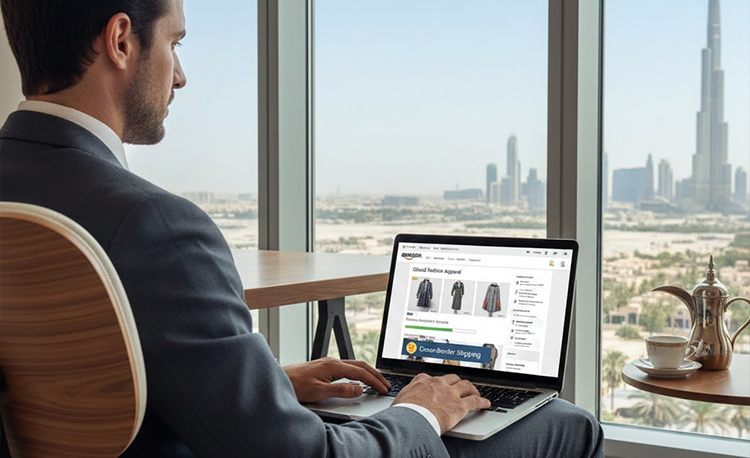
In today’s global eCommerce ecosystem, marketplaces have b...

In the fast-paced digital world, time is everything, especia...
As Henry Ford wisely said, “The only real mistake is the ...
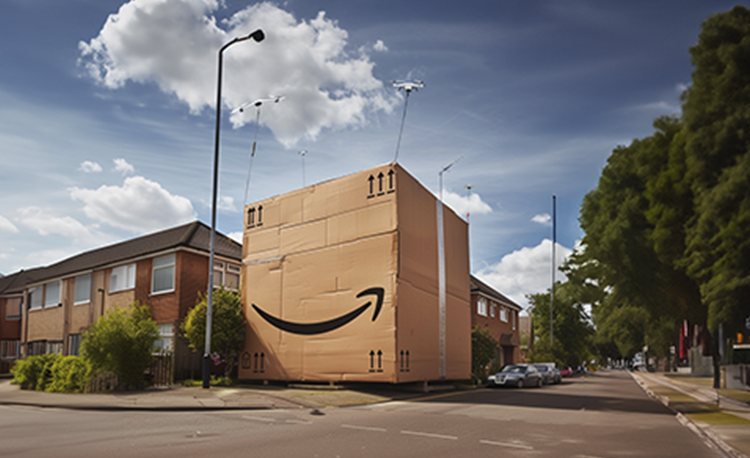
For many years, July was often considered a slow month for r...

With the overall increase in global retail sales figures, th...

In the...
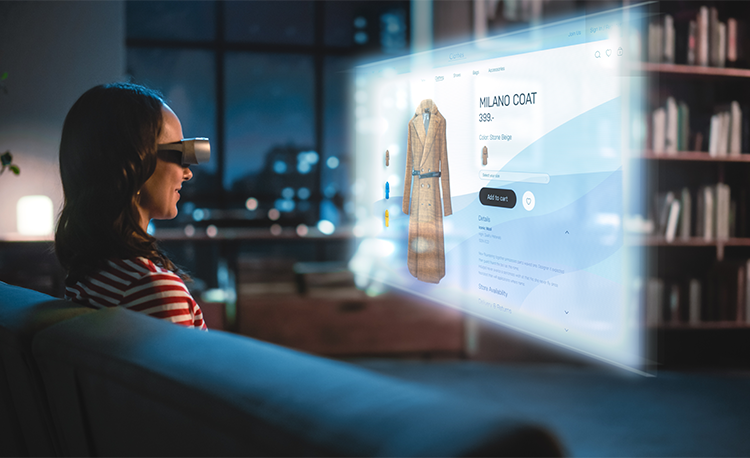
In the...

The Indian eCommerce industry is transforming at a faster pa...
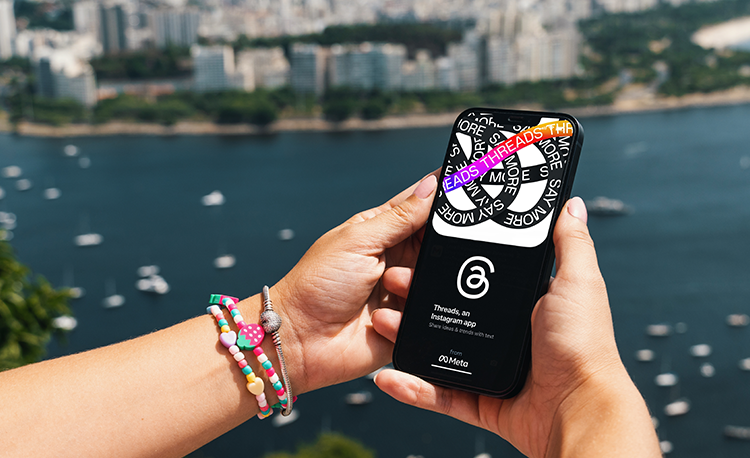
It’s been a while since Meta introduced its contender to T...
Marketing your brand at Amazon can exponentially boost your ...
The pandemic has brought about a lot of changes and ada...

There is no denying the fact that marketplaces have bee...
The post-pandemic world has made brands realise the importan...

We are living in a digital age where every brand is coming a...

Digital media accounted for 64.4% of global ad sp...

Marketers since generations have banked heavily on the ...
Social Media has grown rapidly in the past couple of years. ...

The first step towards building a successful business i...




 d2cenabler@greenhonchos.com


